Longevity Core Concepts

Longevity Core Concepts Library

Every article, presentation, spotlight, and news item we've tagged to Longevity Core Concepts.

Featured Library

View all library
PresentationJul 29, 2026

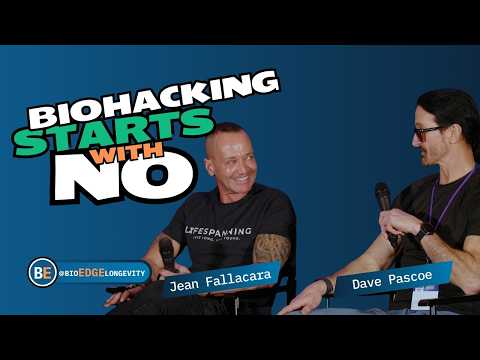
What is Biohacking?

Join Longevity Leaders Coach founder Sandy Martin as she moderates an insightful panel exploring the true meaning of biohacking beyond the hype. Featuring Jean Fallacara from Lifespanning and longevity enthusiast Dave Pascoe, this discussion reveals diverse approaches to optimization—from brain-first strategies to supplement cycling. Discover practical insights on starting your biohacking journey, the importance of eliminating toxins before adding supplements, and why happiness might be the ultimate biohack. Perfect for beginners and experienced biohackers seeking evidence-based perspectives on health optimization.

PresentationJul 29, 2026

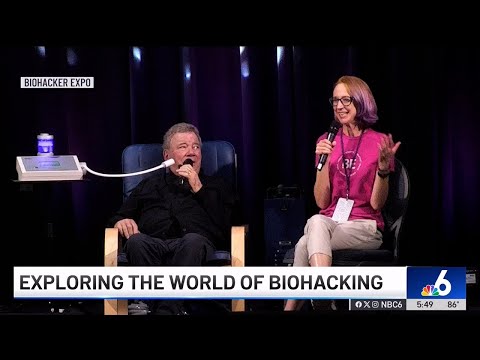
Biohacking Starts With NO

Sandy Martin, Founder of Longevity Leaders Coach, challenges the 'more is better' mentality plaguing modern biohacking. In this eye-opening session, discover why your expensive supplement stack and endless optimization protocols might be sabotaging your health goals. Sandy reveals the counterintuitive power of saying 'NO' to create space for what truly moves the needle in longevity and performance. Learn to cut through biohacking noise, identify what's actually working, and build a sustainable foundation for long-term health optimization.

ArticleJan 23, 2026

Your Body Already Knows How to Repair Itself. Here's How to Give It More Resources.

Stem cell availability declines with age, leaving tissues that once healed quickly struggling to repair. Discover how specific botanicals can increase circulating stem cells by up to 80%, restoring your body's natural renewal capacity.

PresentationJul 29, 2026

Rewriting Your DNA: The Epigenetics of Longevity

Dr. Melissa Petersen, founder of the Human Longevity Institute, demystifies epigenetics and reveals how your DNA is not your destiny—it's your potential. Through personal storytelling and accessible science, she explains methylation, biological age testing, and the concept of the longevity escape velocity. Discover how the quality of inputs—from thoughts to foods to relationships—directly communicates with your DNA, either repressing or expressing your innate potential. With her biological age at 42 despite being chronologically 52, Dr. Petersen demonstrates that aging is optional, not inevitable.

ArticleFeb 9, 2026

What Birth Tissues Reveal About Your Body's Built-In Repair System

Your body already contains the machinery for regeneration. Researchers are now exploring how perinatal birth tissues, rich in growth factors, extracellular vesicles, and matrix, may hold clues to restoring the repair capacity that declines with age.

PresentationJul 29, 2026

From Jellyfish to Humans: The Science of Turning Back Time

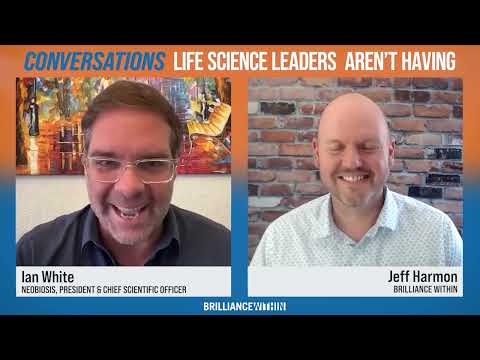
What if aging isn't the inevitable decline we've been told it is? Dr. Ian White, regenerative medicine pioneer and founder of Neobiosis, challenges conventional thinking about biological aging by exploring nature's most radical examples—from immortal jellyfish that reverse their age to lobsters that never age at all. Drawing on two decades of stem cell research at Harvard, Cornell, and beyond, he presents compelling evidence that aging can be accelerated, slowed, paused, and even reversed. This provocative session examines the mechanisms behind age reversal, from Yamanaka factors to perinatal tissues, and explores whether regenerative medicine holds the key to treating aging itself as a disease.

PresentationJul 29, 2026

From Caveman to Keyboard: Biohacking Your Ancestral Biology

Carlos Bertonatti, Clinic Director of Miami's Medical Health Institute, delivers a high-energy session exposing the dangerous gap between our ancestral biology and modern living. Opening with an unconventional biohack demonstration, Bertonatti reveals the "three silent killers" conventional medicine ignores—particularly endocrine-disrupting chemicals (EDCs) that are quietly destroying our hormonal systems. Drawing from his extensive self-experimentation as an extreme athlete and his clinic's work in hormone optimization and functional medicine, he confronts shocking statistics: 93% of Americans suffer metabolic dysfunction, while EDCs silently sabotage our cellular machinery. This isn't theoretical wellness talk—it's a practical wake-up call grounded in the fundamentals that 95% of people get wrong.

PresentationJul 29, 2026

From Sugar Burner to Fat Burner: Mastering Metabolic Freedom

Ben Azadi, founder of Keto Kamp and author of the New York Times bestseller Metabolic Freedom, reveals why most biohackers are unknowingly harming their health despite optimizing protocols. Through the concept of hormesis and practical demonstrations, Azadi explains how cold plunges, fasting, and red light therapy can become toxic stressors when your "stress bucket" is full. Drawing from his personal battle with Raynaud's syndrome and mercury poisoning, he shares the six science-backed strategies he used to raise his hormetic ceiling—including high-dose melatonin, mouth taping, and HRV tracking—enabling him to finally thrive with metabolic flexibility.

ArticleJan 23, 2026

How Old Is Your Body, Really? Epigenetics Offers Answers

Your cells might be aging faster than your calendar. New epigenetic tests decode DNA methylation patterns across 900,000+ markers to reveal your true biological age—even pinpointing which organs age fastest.

PresentationJul 29, 2026

The Stem Cell Revolution: Mobilizing Your Body's Built-In Healing

Stem cell scientist Christian Drapeau, founder of Stemregen, reframes everything you thought you knew about stem cells. Moving beyond injections and clinical treatments, this session reveals stem cells as your body's continuous repair system—regenerating your skin monthly, your liver every few years, and even your heart over decades. Drapeau explains how declining stem cell production beginning in our 30s creates cellular deficits that drive aging, and introduces the science of endogenous stem cell mobilization: triggering your bone marrow to release more of your body's own regenerative cells for natural tissue repair and longevity optimization.

ArticleJan 27, 2026

Why Your Biohacking Stack Isn't Working

Most biohackers fail because they optimize before eliminating what's sabotaging their biology. Discover why removing interference beats adding interventions—and how to finally make your health stack work.

ArticleFeb 9, 2026

Why the Future of Longevity Depends on More Than What You Put in Your Body

The tools of longevity optimization don't emerge in a vacuum. Behind every evidence-based intervention is a research pipeline, a regulatory pathway, and a funding decision that determines whether it ever reaches you.

PresentationJul 29, 2026

Cracking The Stem Cell Code

Join pioneering stem cell scientist Christian Drapeau, creator of the first stem cell supplement, as he reveals how to unlock your body's natural regenerative potential. Discover the breakthrough science of endogenous stem cell mobilization (ESCM) and learn practical strategies to harness your own stem cells for tissue repair and longevity. Drapeau will share insights from his groundbreaking work at Stemregen on how targeted supplementation can amplify your body's innate ability to heal itself, offering a revolutionary approach to health optimization that works with your biology, not against it.

PresentationJul 29, 2026

Biohacking Beauty Revolutionizing Skin Health from the Inside Out

Discover how cutting-edge cellular technology is transforming skincare from within. Amitay Eshel, Co-Founder of Young Goose, reveals breakthrough approaches using NAD+ and exosome technology to target skin aging at the cellular level. This session explores the intersection of longevity science and beauty, demonstrating how biohacking principles can revolutionize skin health by addressing root causes rather than surface symptoms. Learn practical strategies for optimizing cellular regeneration, enhancing skin vitality, and achieving lasting results through science-backed interventions that work from the inside out.

PresentationJul 29, 2026

Unlock the Secret to Living a Longer, Fuller Life with Gary Brecka Part 1

Former insurance mortality expert Gary Brecka reveals groundbreaking insights from 22 years of predicting human lifespans to the month. Drawing from exclusive life insurance data on 370 million lives, Brecka exposes how oxygen depletion drives aging and disease through hypoxic curves. He shares the science behind modifiable risk factors that could add seven years to your healthspan, explores the hidden connections between hormone balance and oxygen transport, and explains why most health conditions aren't consequences of aging but correctable deficiencies. A data-driven approach to unlocking longevity secrets.

LifeSpan.ioAug 7, 2026

Genomic precision medicine delays major disease by 20-30 years

Dr. Wei-Wu He, CEO of Human Longevity Inc., outlines a data-driven precision medicine platform built on genomic sequencing, multi-system phenotypic measurement, and longitudinal patient data to delay major age-related diseases by 20-30 years. The company has shifted from broad research ambitions to focused algorithmic development, now advancing collaborations that position it to scale personalized health optimization across populations.

Longevity.TechnologyMar 27, 2026

The oldest old become longevity biotech’s new map

Human Longevity, Inc. and LEV Foundation are analyzing blood samples from centenarians and supercentenarians using multi-omic analysis to identify molecular and cellular patterns associated with exceptional longevity. This approach shifts the field from theoretical prediction toward evidence grounded in individuals who demonstrate sustained resilience across the human lifespan.

Longevity.TechnologyMar 31, 2026

Can medicine outrun aging? Gerontologist says odds are improving

Longevity escape velocity (LEV) describes the point at which medical interventions extend life faster than aging progresses, requiring a repair-based approach to cellular and molecular damage rather than slowing decline alone. De Grey argues that demonstrating rejuvenation success in animal models will shift scientific consensus and accelerate translation to human therapies.

Longevity.TechnologyApr 20, 2026

From hacks to health: why biohacking is growing up

The biohacking field is moving from supplementation and technological addition toward strategic simplification—recognizing that most modern interventions compensate for engineered-away baseline conditions like sunlight and movement rather than creating true upgrades. This shift reflects a maturing understanding that optimization requires knowing what to eliminate before adding tools.

Nature - npj AgingApr 16, 2026

Genetic and molecular factors underlying human longevity and epigenetic aging

Epigenetic aging—the divergence between chronological age and biological age—emerges as a measurable marker influenced by both genetic predisposition and modifiable molecular factors. Understanding these mechanisms provides actionable insight into why some individuals age more slowly at the cellular level and how interventions targeting epigenetic signatures may extend healthspan.

Longevity.TechnologyMar 27, 2026

Human Longevity, Inc. to study centenarians with LEV Foundation

Human Longevity, Inc. and LEV Foundation are conducting multi-omic analyses of centenarians and supercentenarians to identify molecular biomarkers and pathways associated with exceptional longevity. This research bridges the gap between identifying what distinguishes the longest-lived individuals and developing interventions that could extend healthspan in broader populations.

Wiley Aging CellMar 13, 2026

Biologically Younger Individuals, as Identified by MARK‐AGE Biological Age Scores, Display a Distinct Favourable Blood Chemistry Profile Regardless of Age

Biological age, calculated from a 10-marker panel, correlates with HDL cholesterol, vitamin D, and immune function (CD4+ ratio) independently of chronological age. Subjects with lower biological age scores showed favorable values in these markers, suggesting they function as drivers of the aging process rather than mere correlates.

Wiley Aging CellApr 4, 2026

Plasma Proteomic Profiling of Young and Older Adults Identifies Candidate Biomarkers of Biological Aging at the Intersection of Age and Disease

Proteomic analysis identified 311 plasma proteins whose expression patterns correlate with both chronological age and disease burden in older adults, representing candidate biomarkers of biological aging. These proteins suggest shared regulatory pathways between aging and chronic disease progression and may enable risk stratification and intervention monitoring.

Nature - npj AgingApr 3, 2026

Imaging-derived biological age across multiple organs links to mortality and aging-related health outcomes

Imaging-derived biological age—a measure of structural aging across multiple organs—independently predicts mortality and age-related disease risk beyond chronological age. This multi-organ assessment reveals that heterogeneous aging patterns across tissues provide clinically actionable information for longevity planning and intervention timing.

Nature - npj AgingJun 29, 2026

Epigenetic reprogramming reverses aging at cellular level

Epigenetic reprogramming represents a shift from static aging theories to a dynamic model where gene expression patterns—not DNA sequence itself—drive aging processes and can be therapeutically reversed. This reframes longevity interventions from inevitable decline management to targeted restoration of youthful cellular states.

Nature - npj AgingFeb 5, 2026

The pursuit of understanding human longevity

Extreme longevity does not require genetic predisposition to exceptional health; rather, it emerges from multifactorial resilience combining protective genetics, metabolic efficiency, low systemic inflammation, and sustained lifestyle choices. This reframes centenarian health as an achievable outcome of integrated biological and environmental factors rather than an exceptional outlier.

Longevity.TechnologyFeb 2, 2026

Why precision medicine is changing how we treat aging

Precision medicine approaches that integrate regenerative therapies, peptides, and personalized diagnostics address the cellular foundations of chronic pain and accelerated aging rather than managing symptoms alone. This shift from symptom suppression to root-cause intervention reflects an emerging understanding that dysfunction across multiple physiological domains—inflammation, energy production, cellular cleanup, and tissue regeneration—converges in conditions labeled as chronic pain or age-related decline.

Longevity.TechnologyMar 23, 2026

Elitra Health launches concierge primary care program

Elitra Health launched a concierge primary care program limiting physician panels to 35 patients and offering 24/7 access, same-day appointments, and integrated preventive care coordination. The model prioritizes continuity of care and early detection through advanced diagnostics and personalized wellness planning as an alternative to volume-based primary care.

Longevity.TechnologyJun 10, 2026

AI-driven aging therapies target root biology over symptoms

AI-driven drug discovery is shifting medicine from treating downstream diseases to targeting aging biology itself, enabling personalized interventions tailored to individual biological signatures. This represents a fundamental reconceptualization of the therapeutic development process—from disease-specific pipelines to restoration of youthful cellular function.

Longevity.TechnologyJun 23, 2026

Healthspan Replaces Lifespan in Insurance Risk Models

Insurance industry faces structural pressure to shift from mortality-focused actuarial models toward healthspan optimization as prevention, morbidity reduction, and health data reshape risk assessment. Insurers capable of actively shaping healthy aging outcomes—rather than passively financing disease burden—will gain competitive advantage in an aging demographic landscape.

Wiley Aging CellApr 29, 2026

Replacement‐Based Ageing Interventions for Systemic Rejuvenation: Shaping Longevity Science and Clinical Directions

Replacement-based interventions—which remove or export molecular, organellar, and cellular damage—offer a mechanistic approach to systemic rejuvenation that could extend healthy lifespan beyond conventional therapeutics. This framework integrates bioengineering strategies with regenerative approaches to address multiple forms of age-related damage simultaneously across tissues and regulatory networks.

Nature - npj AgingMay 20, 2026

Lipid-Epigenetic Crosstalk Drives Cellular Aging

Lipid metabolism and epigenetic regulation form a bidirectional communication network that drives cellular aging and age-related disease. The crosstalk between these pathways offers mechanistic insight into how metabolic dysfunction accelerates senescence and suggests multiple intervention points for longevity strategies.

Longevity.TechnologyJul 30, 2026

Precision Biomarkers Replace Reactive Screening

Aman Clinics has launched Cenegenics' precision health program in Qatar, marking the first physician-led longevity model in the region. The program shifts from reactive treatment to proactive assessment of aging biomarkers and metabolic risk before symptoms develop, embedding preventive medicine into mainstream clinical care.

Longevity.TechnologyJul 29, 2026

Metabolic Aging: From Clinical Management to Systems Optimization

Metabolic health is transitioning from a narrow clinical category to a multidisciplinary optimization target, driven by consumer-oriented virtual care, continuous monitoring technologies, and integrated behavioral support. This shift recognizes metabolic function as a primary determinant of biological aging and systemic health, not merely weight management.

Longevity.TechnologyMay 6, 2026

Allen Law’s moonshot vision for the Longevity Century

Allen Law proposes that extending healthspan—not merely lifespan—is the central health challenge of the 21st century. The infrastructure and systems to support longer, stronger lives exist in scientific literature but remain inaccessible at scale; closing the 9.6-year gap between lifespan and healthspan requires proactive, preventive health built into daily life rather than reactive medicine.

Nature - npj AgingFeb 16, 2026

Biological age and immunosenescence in Colombian centenarians

Colombian centenarians show delayed immunosenescence and younger biological age despite chronological longevity, suggesting that immune system resilience rather than mere longevity is the critical predictor of healthspan. This finding reframes centenarian research toward understanding which mechanisms preserve immune function across decades.

LifeSpan.ioAug 5, 2026

Why Reactive Medicine Fails Aging Populations

Current healthcare systems spend trillions managing late-life disease reactively through polypharmacy rather than preventing aging-related damage, creating an unsustainable economic crisis that demands a shift toward proactive health maintenance and rejuvenation science. This reallocation is not merely a health matter but an economic imperative tied to GDP growth, retirement security, and workforce productivity.

Nature AgingMay 19, 2026

Stem Cell Turnover Drives Epigenetic Aging Across Species

A unified mathematical model of stem cell dynamics explains how DNA methylation patterns change with age across mammalian species, positioning stem cell turnover as a primary mechanism driving epigenetic aging. This work integrates diverse aging signatures into a coherent biological framework, shifting focus from methylation patterns themselves to the underlying cellular processes that generate them.

LifeSpan.ioApr 30, 2026

Some Researchers Choose Replacement Over Repair in Aging

Replacement-based interventions—substituting damaged cells, tissues, organs, and physiological systems with biological or synthetic alternatives—are emerging as a pragmatic complement to endogenous repair strategies in aging research. Multiple research organizations are advancing clinical applications ranging from stem cell therapies for structural injuries to bioprinted organs and genetic replacements derived from long-lived species.