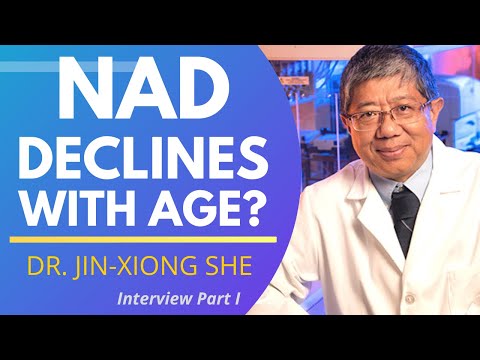
The NAD+ Optimization Blueprint: Why Testing Beats Guessing for Cellular Energy
Discover why measuring intracellular NAD+ levels transforms guesswork into precision optimization, helping you maintain cellular energy and vitality decades longer.
Vitamins, peptides, nootropics, and longevity-targeting compounds, from NAD+ and resveratrol to BPC-157 and senolytics. Plain-language summaries of mechanism, dosing context, and quality markers worth checking before you buy.
5-HTP is a natural amino acid precursor to serotonin used to support mood, sleep, and appetite regulation. Learn how it works, dosing, and what the evidence shows.
Acetyl-L-carnitine shuttles fatty acids into mitochondria for energy and crosses the blood-brain barrier to support neuronal function. Here is what the evidence shows.
Activated charcoal is a porous carbon adsorbent used in poison control and detox protocols. Learn how it works, its forms, dosing, and what the evidence shows.
Adaptogens are plant and fungal compounds that modulate the stress response. Learn how they work, which have evidence, and how to use them.
Alpha-lipoic acid is a sulfur-containing antioxidant that supports mitochondrial energy production and recycles other antioxidants, with roles in blood sugar and nerve health.
Apigenin is a plant flavonoid found in chamomile, parsley, and celery that modulates inflammation, sleep, and cellular aging through multiple molecular pathways.
Ashwagandha is an adaptogenic herb that modulates cortisol and stress physiology. Learn how it works, evidence for its effects, dosing, and quality considerations.
Astaxanthin is a carotenoid antioxidant from microalgae with research on oxidative stress, skin health, and exercise recovery. Here is how it works and what the evidence shows.
Berberine is a plant alkaloid that activates AMPK to influence blood sugar, lipids, and cellular metabolism. Here is how it works and what the evidence shows.
Betaine HCl is a supplemental source of hydrochloric acid used to support gastric acidity and protein digestion, with details on mechanisms, dosing, and evidence.
BPC-157 is a synthetic peptide derived from a gastric protein, studied for tissue repair and gut healing. Here is what the evidence shows and what remains unknown.
C60, or buckminsterfullerene, is a carbon molecule marketed as an antioxidant supplement. Here is what the science actually shows about its mechanisms and safety.
Cerebrolysin is an injectable neuropeptide preparation derived from porcine brain tissue, used for neurological recovery. Here is how it works and what the evidence shows.
Chaga mushroom is a birch-dwelling fungus rich in melanin and beta-glucans, used for immune modulation and antioxidant support. Here is what the evidence shows.
Chlorella is a nutrient-dense freshwater algae used for detoxification and immune support. Here is how it works, what evidence exists, and how to use it.
CJC-1295 is a synthetic peptide analog of growth hormone-releasing hormone. Learn its mechanism, forms, dosing considerations, and current research evidence.
Collagen peptides are hydrolyzed protein fragments used to support skin, joint, and connective tissue health. Here is what the evidence shows about their mechanisms and effects.
Colostrum is the first milk mammals produce after birth, rich in immunoglobulins and growth factors. Learn how it supports gut integrity and immune function.
CoQ10 is a fat-soluble compound essential for mitochondrial energy production and antioxidant defense, with roles in heart health and aging.
Cordyceps is a medicinal fungus used to support oxygen utilization and cellular energy production, with roots in traditional medicine and emerging clinical data.
Creatine is a naturally occurring compound that fuels rapid energy production in muscles and the brain, with extensive research on performance, cognition, and aging.
Curcumin is the active polyphenol in turmeric with documented anti-inflammatory and antioxidant activity. Learn its mechanisms, forms, dosing, and evidence.
D-Ribose is a five-carbon sugar cells use to rebuild ATP, the body's primary energy currency. Learn how it works, dosing, and what the evidence shows.
DHEA is the body's most abundant steroid hormone precursor, declining steadily with age. Learn how it works, what the evidence shows, and key considerations.
Digestive enzymes break down food into absorbable nutrients. Learn the types, mechanisms, supplemental forms, and what the evidence says about their role in gut health.
Dihexa is a synthetic peptide studied for its effects on synaptic connections and cognitive function, with origins in angiotensin IV receptor research.
Epithalon is a synthetic tetrapeptide studied for telomerase activation and cellular aging. Learn its mechanism, evidence base, forms, dosing, and open questions.
Fisetin is a plant flavonoid studied for its senolytic and antioxidant properties. Learn how it works, dosing considerations, and what the research shows.
GHK-Cu is a copper-binding peptide involved in wound healing, collagen synthesis, and tissue remodeling, with applications in skin care and longevity research.
GLP-1 agonists mimic an incretin hormone to regulate blood sugar, appetite, and body weight. A class overview covering mechanism, forms, evidence, and risks.
Glutathione is the primary intracellular antioxidant, essential for detoxification and immune defense. Learn how it works, forms available, and what the evidence shows.
Glycine is the simplest amino acid, essential for collagen synthesis, glutathione production, and sleep quality. Here is what the evidence shows.
Humic and fulvic acids are organic compounds from decomposed plant matter, studied for mineral transport, gut barrier support, and detoxification potential.
Ipamorelin is a selective growth hormone secretagogue peptide. Learn how it works, its evidence base, dosing considerations, and what to know before use.
L-theanine is an amino acid from tea that promotes calm alertness by modulating neurotransmitters and brain waves, with evidence on dosing, forms, and safety.
Lion's mane mushroom contains compounds that stimulate nerve growth factor synthesis, with relevance to cognitive function, neuroprotection, and longevity.
Lithium orotate delivers trace lithium at sub-therapeutic doses for neuroprotection, mood stability, and potential longevity benefits. Mechanisms, dosing, and evidence.
Magnesium is a mineral cofactor in over 300 enzymatic reactions. This page covers its biological roles, common deficiency patterns, forms, dosing, and evidence.
Melatonin is the hormone that regulates sleep-wake cycles. This page covers its biology, antioxidant roles, dosage considerations, and evidence for longevity.
Metformin is a diabetes drug repurposed for longevity. Learn how it activates AMPK, what the evidence shows, and what off-label use involves.
Methylene blue is a synthetic dye that acts as an electron carrier in mitochondria, with applications ranging from medical treatment to off-label longevity use.
Moringa oleifera is a nutrient-dense plant used as a supplement for its antioxidant, anti-inflammatory, and blood sugar-modulating properties. Here is what the evidence shows.
NAD+ is a coenzyme essential for cellular energy production, DNA repair, and aging. Learn how it works, how levels decline, and what the evidence says about supplementation.
NMN is a precursor to NAD+, a coenzyme essential for cellular energy and DNA repair. Learn how NMN works, dosing considerations, and the current evidence.
Nootropics are substances used to support memory, focus, and mental clarity. Learn how they work, what the evidence shows, and what to consider before use.
Nicotinamide riboside (NR) is an NAD+ precursor used to support cellular energy and repair. Learn how NR works, dosing, forms, and what the evidence shows.
Omega-3 fatty acids are essential fats that regulate inflammation, support cardiovascular and brain health, and influence aging. Here is what the evidence shows.
Ox bile is a supplemental source of bile salts used to support fat digestion and fat-soluble nutrient absorption, especially after gallbladder removal.
Phosphatidylserine is a phospholipid essential to cell membranes, especially in the brain, with roles in cognition, cortisol regulation, and neuronal signaling.
Postbiotics are bioactive compounds produced by probiotic bacteria during fermentation, including short-chain fatty acids and cell wall fragments that influence gut and immune health.
PQQ (pyrroloquinoline quinone) is a redox cofactor linked to mitochondrial biogenesis and neuroprotection, with a growing but still early evidence base.
Prebiotics are specific fibers and compounds that feed beneficial gut bacteria, shaping microbiome composition, immune function, and metabolic health.
Pregnenolone is the steroid hormone from which cortisol, DHEA, progesterone, and testosterone derive. Learn its mechanisms, forms, dosing, and evidence.
Probiotics are live microorganisms taken to support gut health, immune function, and systemic well-being. Here is how they work and what the evidence shows.
Pterostilbene is a methylated stilbene found in blueberries with antioxidant and sirtuin-activating properties relevant to aging, metabolism, and cognitive health.
Quercetin is a plant flavonoid with antioxidant and senolytic properties. Learn how it works, its role in longevity research, dosing, and what the evidence shows.
Rapamycin inhibits the mTOR pathway to influence aging, autophagy, and cellular growth. Here is how it works, what the evidence shows, and what the risks are.
Reishi mushroom contains triterpenes and polysaccharides that modulate immune function and stress response, with evidence on forms, dosing, and limitations.
Resveratrol is a plant polyphenol linked to sirtuin activation and cellular defense. Learn its mechanisms, dosing, evidence, and what remains unproven.
Rhodiola rosea is an adaptogenic herb that modulates the stress response and supports mental endurance, with evidence from human trials on fatigue and cognition.
Semaglutide is a GLP-1 receptor agonist used for diabetes and weight loss, with emerging research on cardiovascular and longevity-related outcomes.
Senolytics are compounds that selectively eliminate senescent cells, which accumulate with age and drive chronic inflammation, tissue decline, and age-related disease.
Shilajit is a mineral-rich resin used to support mitochondrial energy, testosterone, and antioxidant status. Here is what the evidence actually shows.
Spermidine is a natural polyamine that induces autophagy and supports cellular renewal. Learn how it works, dietary sources, supplement forms, and current evidence.
Spirulina is a cyanobacterial supplement dense in protein, phycocyanin, and antioxidants. This page covers its mechanisms, dosage, quality, and research.
Sulforaphane is a compound from cruciferous vegetables that activates Nrf2 and Phase II detoxification enzymes, with relevance to aging, inflammation, and cancer risk.
Taurine is a sulfur-containing amino acid involved in heart function, bile acid synthesis, and cellular protection, with emerging evidence linking it to lifespan.
Thymosin alpha-1 is a thymic peptide that modulates immune function by activating dendritic cells, T cells, and natural killer cells. Here is what the evidence shows.
Thymosin Beta-4 (TB-500) is a peptide involved in cell migration, wound healing, and tissue repair. Learn how it works, dosing protocols, and current evidence.
Tirzepatide is a dual GIP/GLP-1 receptor agonist used for metabolic health. Learn how it works, its effects on weight and blood sugar, and current evidence.
Turkey tail mushroom contains beta-glucans that modulate immune function and support gut health. Mechanisms, evidence, dosing, and quality considerations explained.
Urolithin A is a gut-derived metabolite that triggers mitophagy, the recycling of damaged mitochondria. Learn how it works, dosing, and current evidence.
Vitamin D is a fat-soluble hormone precursor essential for bone health, immune regulation, and longevity. Learn how it works, forms, dosing, and testing.
Vitamin K2 activates proteins that direct calcium into bones and away from arteries, with evidence on forms, dosing, and its role in cardiovascular and skeletal health.
Spermidine, a naturally occurring polyamine synthesized by the body and present in foods, demonstrates protective effects against hallmark aging mechanisms including cellular senescence, mitochondrial dysfunction, and neurodegeneration. Evidence suggests spermidine activates autophagy and enhances stress resilience pathways, positioning it as a candidate metabolite for addressing age-related disease progression.
Phenotypic screening and structure-activity-guided design produced two fisetin-derived flavonoids, SR29384 and SR31133, that killed senescent cells more potently and more selectively than fisetin across multiple senescent cell types. In aged and progeroid mice, both compounds lowered tissue senescence burden and improved physical function and other healthspan measures. Mechanistic work points to PARP1, CDK2, and possibly BCL-xL as the pathways driving selective apoptosis in senescent cells.
Metformin's effects on aging pathways—mTOR signaling, mitochondrial function, senescent cells, and microbiome modulation—have generated substantial interest in gerontology. Observable associations with reduced age-related disease incidence in humans warrant scrutiny of actual clinical benefit before adoption as a preventive strategy in aging populations.
Retrospective primary-care data from England presented at EASD 2026 found that adults with type 2 diabetes starting tirzepatide reached an HbA1c below 6.5% at roughly twice the rate of those on injectable or oral semaglutide (46.3% versus 20.6% and 23.8%) over 12 months. Weight loss of at least 15% occurred in 24.1% of tirzepatide patients compared with 9.1% and 8.4% on semaglutide. Because glycemic burden and excess adiposity both compress healthspan, a therapy that moves both endpoints simultaneously carries implications well beyond diabetes management.
Fisetin, a naturally occurring senolytic compound, reversed vascular dysfunction and aortic stiffening induced by doxorubicin in mice by suppressing senescent cells and their inflammatory secretions, restoring nitric oxide availability. This demonstrates a pharmacological pathway to counter drug-induced premature vascular aging.
GLP-1 receptor agonists demonstrate measurable benefits across metabolic, cardiovascular, and neurological domains that extend well beyond weight reduction. These effects occur through multiple biological pathways, positioning these medications as potential tools for addressing interconnected health conditions rather than weight alone.
37 topics
13 topics
19 topics
23 topics
23 topics
15 topics
12 topics
21 topics
16 topics
18 topics
25 topics
17 topics
56 topics
33 topics
26 topics
24 topics
74 topics
49 topics
62 topics
23 topics