What Is Longevity

Mental and Cognitive Health

Brain health, cognitive decline prevention, stress regulation, breathwork, meditation, and the therapeutic protocols that support mental performance, emotional resilience, and recovery from concussion or trauma.

Featured Library in Mental and Cognitive Health

ArticleFeb 11, 2026

What Intelligence Officers Know About Stress, Focus, and Cognitive Longevity

Chronic stress accelerates biological aging, but structured cognitive training, built on the same frameworks intelligence officers use in the field, can strengthen neural pathways, improve vagal tone, and support long-term brain health.
PresentationJul 29, 2026

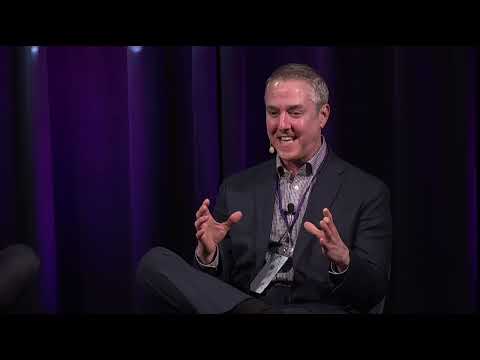
Brain Energy: The Metabolism-Mind Connection

Discover the revolutionary connection between brain metabolism and mental health with Dr. Christopher Palmer, founder of MH². Drawing from cutting-edge research at the intersection of psychiatry and metabolic science, Dr. Palmer reveals how optimizing brain energy through targeted interventions can transform cognitive performance, mood regulation, and long-term neurological health. This groundbreaking session explores practical strategies for biohackers and longevity enthusiasts to harness metabolic pathways for enhanced mental clarity, resilience, and sustainable brain optimization.

SpotlightJul 29, 2026

Master Your Vagus Nerve for Peak Performance

Stanford neurobiology professor Andrew Huberman delivers a masterclass on the vagus nerve, revealing how this extensive neural pathway controls everything from mood to alertness to learning capacity. Drawing from cutting-edge neuroscience research at Huberman Lab, this session explores the precise anatomy and dual sensory-motor functions of cranial nerve 10. Huberman demonstrates how understanding the vagus nerve's connections throughout the body—from brain to pelvis—unlocks actionable tools for achieving peak performance states, enhanced neuroplasticity, and optimized health without pharmaceuticals or devices.

Topics in Mental and Cognitive Health

Alzheimer's Prevention

Alzheimer's prevention encompasses the modifiable risk factors, lifestyle interventions, and metabolic strategies that reduce the likelihood of cognitive decline.

Box Breathing

Box breathing is a four-phase breath pattern that shifts autonomic tone toward parasympathetic dominance, reducing cortisol and sharpening focus.

Brain Fog

Brain fog describes persistent cognitive sluggishness with identifiable biological causes, from neuroinflammation to metabolic dysfunction. Learn what drives it and what helps.

Brain Health

Brain health encompasses the structural, metabolic, and functional integrity of the brain across a lifetime, shaping cognition, mood, and resilience to decline.

Brain-Derived Neurotrophic Factor (BDNF)

BDNF is a protein that supports neuron survival, synaptic plasticity, and memory formation. Learn how it works, what affects its levels, and why it matters for brain aging.

Breathwork

Breathwork uses deliberate breathing patterns to shift autonomic nervous system tone, lower cortisol, and improve stress resilience, with evidence on what works.

Burnout

Burnout is chronic workplace and life stress that disrupts cortisol regulation, immune function, and brain structure. Learn how it works and what to do about it.

Buteyko Breathing

Buteyko breathing retrains habitual breathing patterns by reducing volume and encouraging nasal breathing, with effects on CO2 tolerance, stress, and airway health.

Chronic Stress

Chronic stress accelerates biological aging through sustained cortisol, inflammation, and telomere shortening. Learn the mechanisms, signals, and what to do about it.

Cognitive Behavioral Therapy (CBT)

Cognitive behavioral therapy (CBT) restructures thought patterns that drive stress, anxiety, and poor health behaviors, with strong evidence for lasting mental and physical outcomes.

Cognitive Decline

Cognitive decline is the gradual loss of memory, processing speed, and reasoning ability with age. Learn what drives it biologically and what the evidence shows.

Coherence Breathing

Coherence breathing uses a fixed rhythm of roughly five breaths per minute to synchronize heart rate, blood pressure, and autonomic tone for measurable stress reduction.

Concussion Recovery

Concussion recovery involves restoring brain function after mild traumatic brain injury through targeted rest, rehabilitation, and neuroprotective strategies.

Dementia Prevention

Dementia prevention targets modifiable risk factors like metabolic dysfunction, sleep loss, and inactivity to protect cognitive function across the lifespan.

EMDR (Eye Movement Desensitization and Reprocessing)

EMDR uses bilateral stimulation to help the brain reprocess traumatic memories, reducing their emotional charge and supporting long-term nervous system health.

Emotional Regulation

Emotional regulation is the ability to modulate emotional responses. Learn how it works biologically, why it affects longevity, and practical approaches to improve it.

Flow State

Flow state is the condition of total absorption in a task, linked to neurochemical shifts that affect cognition, stress, and long-term brain health.

Meditation

Meditation is a set of attention-training practices that alter stress physiology, brain structure, and biological aging markers. Here is how it works.

Mindfulness

Mindfulness is the practice of sustained, non-judgmental attention to present experience. Learn how it affects stress biology, brain structure, and healthy aging.

Neuroplasticity

Neuroplasticity is the brain's ability to reorganize its structure and connections throughout life. Learn the mechanisms, what drives it, and how to support it.

Polyvagal Theory

Polyvagal theory maps how the vagus nerve shifts the body between states of safety, mobilization, and shutdown, shaping stress, recovery, and long-term health.

Somatic Experiencing

Somatic Experiencing is a body-oriented therapy that resolves trauma by tracking physical sensations rather than retelling the story, restoring nervous system regulation.

Stress Management

Stress management encompasses practices that regulate the body's stress response, protecting against cortisol-driven aging and chronic disease.

Traumatic Brain Injury (TBI) Recovery

Traumatic brain injury recovery involves neuroplasticity, inflammation control, and targeted rehabilitation. Learn the biology of TBI healing and what the evidence shows.

Wim Hof Method

The Wim Hof Method combines cold exposure, cyclic hyperventilation breathing, and meditation to modulate the autonomic nervous system and immune response.

Latest News in Mental and Cognitive Health

Peter Attia MDJul 13, 2026

Early Cognitive Detection Transforms Dementia Prevention

Early detection of cognitive decline now enables intervention before irreversible neurodegeneration progresses, fundamentally altering the treatment trajectory for Alzheimer's disease. Multimodal approaches combining pharmacotherapy, lifestyle modification, and personalized risk assessment are shifting dementia care from late-stage management to proactive disease prevention.

The Lancet Healthy LongevityApr 2, 2026

[Articles] Risk factors for early-onset and late-onset dementia: a prospective cohort study

Modifiable risk factors drive both early-onset and late-onset dementia, with distinct profiles emerging between the two presentations. Identifying these factors creates measurable intervention points for primary prevention before cognitive decline becomes apparent.

The Lancet Healthy LongevityJun 30, 2026

Why Dementia Prevention Knowledge Fails Into Action

Nearly half of dementia cases stem from modifiable risk factors, yet population-level prevention programs show inconsistent results. Mass media campaigns reach large audiences but produce only marginal improvements in knowledge or behavior—suggesting that scale of reach does not guarantee meaningful cognitive protection.

Nature - npj AgingJul 31, 2026

Systemic Aging Drives Cognitive Decline: Beyond Brain-Only Models

Cognitive function declines with age not as an isolated neurological process but through systemic physiological changes affecting brain metabolism, circulation, and cellular maintenance. Understanding these interconnections reveals that cognitive aging is addressable through interventions targeting the body's core functions rather than the brain alone.

Wiley Aging CellApr 25, 2026

Long‐Term Stress Adaptation as a Highly‐Conserved Key Factor in Yeast Aging

Prolonged stress—distinct from acute stress—activates molecular pathways in yeast that recapitulate aging hallmarks including proteostasis collapse and epigenetic dysregulation. These changes are reversible upon stress relief, and the underlying genes are conserved across all life domains, suggesting aging may represent a maladaptive long-term stress response rather than passive damage accumulation.

Longevity.TechnologyMay 11, 2026

The brain doesn’t have to decline

Cognitive decline is increasingly recognized as preventable and reversible through targeted cognitive training and integrated lifestyle interventions, rather than an inevitable consequence of aging. A landmark 20-year study found that speed-processing training reduced dementia incidence by 25%, while clinical cases demonstrate substantial cognitive recovery when multiple physiological and psychological factors are addressed simultaneously.