Hallmarks of Aging

Hallmarks of Aging Library

Every article, presentation, spotlight, and news item we've tagged to Hallmarks of Aging.

Featured Library

View all library
PresentationJul 29, 2026

Telomeres and Longevity: The Science of Cellular Resilience

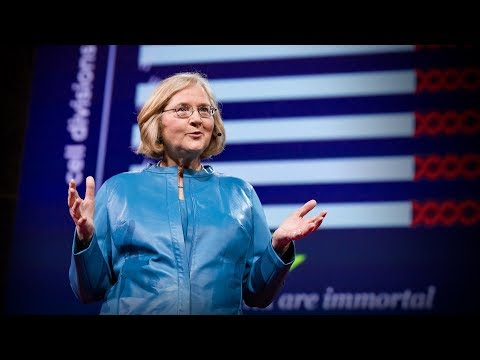
Discover the cutting-edge science behind telomeres—the protective DNA caps that determine cellular aging and lifespan. Sebastian Conti from T.A. Sciences reveals how these molecular timekeepers influence longevity and explores evidence-based strategies to support telomere health. From understanding the latest research on telomere biology to practical interventions that may slow cellular aging, this session provides actionable insights for health optimization. Learn why telomeres are considered the holy grail of aging research and how you can potentially influence your own cellular clock for enhanced healthspan and longevity.

ArticleJan 23, 2026

Telomere Length: The Cellular Clock You Can Actually Influence

Scientists have discovered how to rebuild your cells' protective caps—telomeres—that shorten with age. New research shows telomerase activation can reduce inflammation by 62% and measurably reverse cellular aging markers.

ArticleJan 23, 2026

Your Body Already Knows How to Repair Itself. Here's How to Give It More Resources.

Stem cell availability declines with age, leaving tissues that once healed quickly struggling to repair. Discover how specific botanicals can increase circulating stem cells by up to 80%, restoring your body's natural renewal capacity.

PresentationJul 29, 2026

The Stem Cell Revolution: Mobilizing Your Body's Built-In Healing

Stem cell scientist Christian Drapeau, founder of Stemregen, reframes everything you thought you knew about stem cells. Moving beyond injections and clinical treatments, this session reveals stem cells as your body's continuous repair system—regenerating your skin monthly, your liver every few years, and even your heart over decades. Drapeau explains how declining stem cell production beginning in our 30s creates cellular deficits that drive aging, and introduces the science of endogenous stem cell mobilization: triggering your bone marrow to release more of your body's own regenerative cells for natural tissue repair and longevity optimization.

PresentationJul 29, 2026

Bioregulators & Peptides: Tap Your Body's Hidden Repair Code

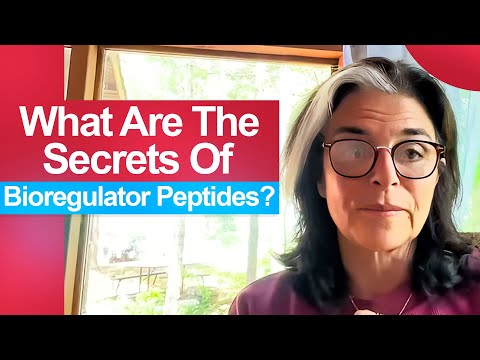
Longevity educator and podcaster Nathalie Niddam explores bioregulators—tiny peptide chains that penetrate directly into cells to activate DNA repair and restore gene expression. Drawing from the groundbreaking work of Professor Khavinson's peptide theory of aging, this session demystifies how these two-to-four amino acid complexes differ from conventional peptides, why they don't need receptors to work, and how they address aging at the cellular motherboard. Niddam shares her favorite six "desert island" bioregulators and explains their role in a comprehensive longevity strategy, while navigating the evolving regulatory landscape and distinguishing between synthetic and animal-derived formulations.

ArticleFeb 10, 2026

Bioregulator Peptides: What Your Cells Might Be Waiting For

Bioregulator peptides are short-chain amino acid sequences designed to support tissue-specific gene expression that naturally declines with age. Longevity educator Nathalie Niddam explains how personalized peptide strategies, built on solid foundations, may help restore the body's own regulatory signals.

LifeSpan.ioApr 20, 2026

How Inflammaging Is Linked to Epigenetic Aging

A Cell Genomics study demonstrates that age-related systemic inflammation (inflammaging) correlates with epigenetic aging as measured by established epigenetic clocks. This connection bridges two major aging hallmarks and suggests chronic low-grade immune activation reflects measurable changes in gene expression patterns independent of overt disease.

Wiley Aging CellMay 20, 2026

Senescent cells drive aging inflammation

Cellular senescence—the accumulation of non-dividing cells that secrete inflammatory factors—drives age-related decline in multiple organ systems. Understanding how senescent cells compromise tissue function and identifying interventions that clear or manage their activity offers a direct path to extending both healthspan and lifespan.

Nature - npj AgingMay 28, 2026

Mitochondrial Dysfunction Drives Stem Cell Aging

Mitochondrial dysfunction accelerates stem cell aging and triggers systemic inflammation, establishing a mechanistic link between cellular energy production and age-related tissue deterioration. This pathway represents a critical intervention point for extending healthspan through targeted mitochondrial support.

LifeSpan.ioJul 31, 2026

Inflammatory Fidelity: Restoring Aging's Lost Immune Balance

Dr. José Pedro Castro's research centers on inflammatory fidelity—the maintenance of balanced inflammatory homeostasis that deteriorates with age. His systems-based approach reveals inflammation as both essential to healthy function and a key driver of aging pathology, positioning targeted inflammatory regulation as a therapeutic frontier for healthspan extension.

LifeSpan.ioMay 7, 2026

How Intestinal Aging Encourages Harmful Bacteria

Intestinal aging creates a self-reinforcing cycle where the gut barrier weakens, immune function declines, and harmful bacteria replace beneficial species. This shift compromises the production of short-chain fatty acids and other metabolites that support immune regulation, accelerating mucosal dysfunction and systemic inflammation with advancing age.

Longevity.TechnologyFeb 19, 2026

Why aging feels harder after 40

Circulating stem cell count declines sharply after age 30, reducing tissue repair capacity and resilience. This decline correlates with recovery time, injury healing, and disease risk—making stem cell abundance a measurable predictor of healthspan independent of conventional longevity markers.

Nature AgingJul 29, 2026

Senotype classification reframes cellular aging as adaptive or pathological

Senescent cells—those that have stopped dividing—exhibit distinct molecular profiles and functional outcomes depending on their origin and microenvironment. This classification framework clarifies why some senescent states support tissue repair while others drive chronic inflammation and age-related disease, fundamentally shifting how we interpret cellular aging.

Wiley Aging CellMay 5, 2026

Aged Gut Microbiota Induces Mucosal Transcriptional Dysregulation, Impairing Immune Surveillance

Aging disrupts intestinal mucosal immunity through a cascade of changes: epithelial barrier weakening, shifts toward pro-inflammatory gut bacteria, dysregulation of immune surveillance cells, and impaired pathogen recognition. This multi-system breakdown creates a mechanistic link between microbial composition and immune dysfunction that directly drives infection susceptibility in older adults.

Wiley Aging CellApr 20, 2026

Maladaptive Inflammatory Signaling in Old Mice Impairs Colonic Regeneration by Promoting a Sustained Fetal‐Like Epithelial State

Aging impairs colonic regeneration through a maladaptive immune response characterized by excessive interferon-gamma production that triggers apoptosis in epithelial cells already primed in a fetal-like regenerative state. This dysregulation of immune-epithelial communication represents a critical mechanism by which aging compromises tissue repair capacity and increases vulnerability to infectious challenge.

Wiley Aging CellJul 6, 2026

Kinase Dysfunction Breaks Cellular Communication Networks During Aging

Metabolic kinases—AMPK, mTOR, AKT, PDK, and PERK—coordinate communication between mitochondria, the endoplasmic reticulum, lysosomes, peroxisomes, and the Golgi apparatus. Dysregulation of these kinases during aging impairs this inter-organelle coordination, driving mitochondrial dysfunction, oxidative stress, and metabolic decline that underlie age-related disease.

Wiley Aging CellMar 13, 2026

Glycative Stress Disrupts the Mitochondrial‐Lysosome Axis and Promotes Geroconversion in Aging Cardiomyocytes

Advanced glycation end products accumulate in cardiac mitochondria with age, impairing lysosomal function and mitochondrial quality control. This impaired clearance mechanism drives cellular senescence and represents a mechanistic link between cardiac aging and heart failure development.

Wiley Aging CellJun 23, 2026

Senescent Cells Block Cellular Cleanup in Aging

Cellular senescence and autophagy dysfunction accumulate with age, driving multiple organ system decline. Understanding how senescent cells disrupt normal repair mechanisms reveals intervention points for extending healthspan independent of chronological age.

Nature AgingAug 10, 2026

Stem cell immune memory triggers inflammaging via SIRT3 loss

Aging hematopoietic stem cells develop a maladaptive form of innate immune memory that perpetuates chronic inflammation and accelerates physiological decline. The decline of SIRT3, a mitochondrial regulator, removes a critical inhibitor of this inflammatory cascade, establishing a mechanistic link between mitochondrial dysfunction and age-related immune dysregulation.

Longevity.TechnologyMar 19, 2026

Targeting protein misfolding in neurodegeneration

Protein misfolding drives over 100 diseases and accelerates aging-related decline. Origami Therapeutics is developing targeted protein degraders and conformation correctors that address root cause mechanisms rather than symptoms, with initial focus on neurodegenerative diseases including Huntington's, Alzheimer's, and Parkinson's.

Longevity.TechnologyMar 23, 2026

New findings link autophagy failure to early Alzheimer’s pathology

Impaired neuronal autophagy precedes amyloid-beta and tau pathology in Alzheimer's disease, suggesting that restoring cellular clearance mechanisms may address disease onset at a mechanistic level upstream of classical biomarkers. This positions autophagy dysfunction as a tractable target for intervention before irreversible neurodegeneration.

Nature - npj AgingMar 13, 2026

Urbanization, environment, and inflammaging: insights from sub-Saharan Africa

Urban environments in sub-Saharan Africa show accelerated inflammaging—chronic, low-grade systemic inflammation associated with aging—driven by environmental stressors including air pollution, pathogenic load, and dietary shifts. This research identifies modifiable environmental and lifestyle factors that influence the rate of immunological aging independent of chronological age.

LifeSpan.ioFeb 18, 2026

Global Conference to Tackle Longevity Clinical Translation

The NUS Academy for Healthy Longevity is hosting a Geromedicine Conference in February 2026 to advance the clinical translation of geroscience research into practical interventions. The event will focus on implementing evidence-based strategies including targeted molecules, bioactive compounds, and repurposed pharmaceuticals within personalized care frameworks.

LifeSpan.ioJun 22, 2026

Stalled RNA-DNA Complexes Trigger Inflammatory Aging

Senescent cells accumulate aberrant RNA-DNA complexes (R-loops) in their cytoplasm that persist due to transcriptional dysregulation, triggering the secretion of pro-inflammatory factors that drive systemic inflammation. This mechanism identifies a specific molecular pathway linking cellular senescence to age-related inflammatory disease.

Longevity.TechnologyJun 17, 2026

Physics-based aging models shift geroscience from observation to prediction

Gero has secured $17 million in new funding to develop physics-based mathematical models of aging that move beyond observation toward prediction. The company's framework treats aging as a process governed by quantifiable physical laws rather than an accumulation of isolated cellular damage, positioning the field to transition from descriptive geroscience to predictive intervention.

LifeSpan.ioJun 10, 2026

Immune Surveillance Controls Microbiome Balance in Aging

The immune system actively regulates microbial composition by suppressing proliferation of dominant species rather than eliminating pathogens, maintaining ecosystem balance throughout life. Age-related weakening of this surveillance mechanism drives dysbiosis and contributes to age-associated disease and lifespan reduction.

Wiley Aging CellApr 25, 2026

Diminished and Altered Cellular Senescence Response in Delayed Wound Healing of Aging

Wound healing in young skin relies on a coordinated senescence response in fibroblasts that produces tissue-remodeling proteins and supports closure. In aged individuals, this response is both diminished and functionally altered toward inflammation, directly impairing repair capacity and contributing to delayed healing.

Wiley Aging CellApr 14, 2026

Single‐Cell Profiling Reveals Distinct Immune Communication Networks in Centenarians and Elderly Controls

Single-cell immune profiling distinguishes centenarians from age-matched controls through divergent intercellular communication patterns: healthy aging shows reinforced regulatory signaling supporting cytotoxicity and immune surveillance, while standard aging exhibits self-amplifying senescence signals linked to immune exhaustion. This immune remodeling signature may explain exceptional longevity phenotypes.

Wiley Aging CellMay 18, 2026

Senescent Cell Diversity Defines Fibrotic vs Inflammatory Aging

Senescent cells—those that have stopped dividing—adopt distinct molecular profiles depending on how they became senescent. Primary senescence (triggered by direct DNA damage) activates fibrosis and tissue-remodeling programs, while secondary senescence (induced by signals from other senescent cells) drives inflammatory pathways. Both share conserved stress-response mechanisms, revealing that senescence heterogeneity fundamentally shapes how these cells contribute to aging.

LifeSpan.ioMar 5, 2026

How Inflammaging Makes Pneumonia Worse in Mice

Aging impairs the rapid recruitment and metabolic function of neutrophils during pneumonia, a decline driven by chronic inflammation and cellular senescence that can be partially reversed by blocking TNFα. This mechanism explains age-related vulnerability to infection and identifies a potential intervention point.