



ArticleJan 24, 2026
Better Rest Begins When the Brain Remembers How to Slow Down
Most people struggling with sleep or mental clarity assume they need to add something: a supplement, a medication, a more elaborate wind-down routine. But...
Every article, presentation, spotlight, and news item we've tagged to Devices and Wearables.
Most people struggling with sleep or mental clarity assume they need to add something: a supplement, a medication, a more elaborate wind-down routine. But...

Discover how electromagnetic pulses recharge your cells' natural voltage, enhancing nutrient transport and accelerating recovery. Nearly two decades of PEMF innovation supporting millions worldwide.

PEMF therapy addresses cellular energy production by restoring optimal bioelectric function, offering a research-backed approach to enhanced vitality and recovery.

Discover how combining PEMF therapy with sound frequencies can restore cellular resonance, supporting everything from mitochondrial function to nervous system regulation in a practical home-use system.

Your mitochondria contain light-sensitive proteins that trigger cellular repair and energy production when exposed to specific infrared wavelengths. Modern indoor living has created a light deficiency that affects everything from energy to immunity.
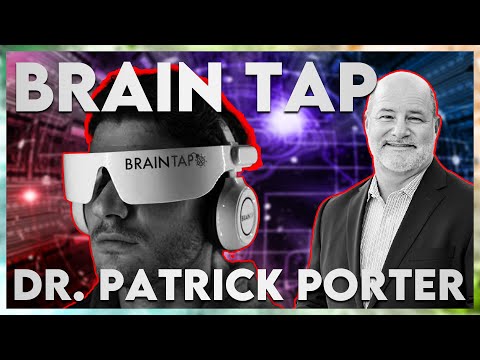
Your brain cycles through distinct electrical states every day, and how smoothly it transitions between them affects everything from sleep quality to cognitive sharpness. Brainwave entrainment, paired with light therapy, offers a structured way to train that flexibility.
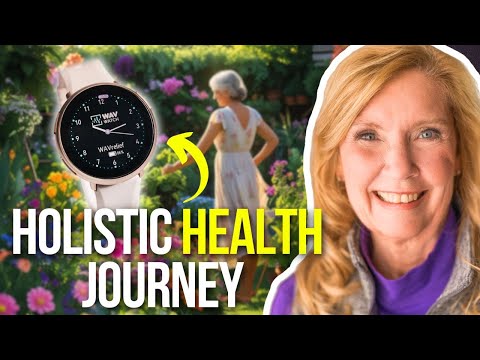
Discover how acoustic frequencies can restore your body's natural rhythms without EMF exposure. WAVwatch delivers 166 targeted sound therapy programs through skin contact for energy, sleep, and recovery.
Oura Ring 5 represents a shift in wearable health technology from passive data collection to predictive pattern recognition, with a smaller form factor designed to increase sustained daily use. The device's Health Radar feature identifies gradual physiological changes across sleep and waking hours—signals that often precede clinical manifestation of cardiovascular and metabolic conditions.
WHOOP has secured $575 million in Series G funding at a $10.1 billion valuation, positioning itself as a continuous health monitoring platform that translates physiological data into actionable guidance. The funding reflects investor confidence that longevity platforms embedding real-time health tracking into daily life can shift healthcare from reactive to proactive intervention.
Alamar Biosciences has developed a dried blood spot extraction kit enabling high-sensitivity protein analysis from fingerstick samples collected at home, potentially accelerating large-scale longevity research by reducing barriers to frequent, consistent biosampling across diverse populations.
Oura Ring 5 introduces hardware miniaturization with 40% size reduction and redesigned sensors alongside expanded software for continuous monitoring of breath, circulation, metabolic markers, and recovery. The device architecture addresses signal accuracy across diverse populations while integrating clinical data with daily biometric tracking.
WHOOP has joined a $34.5 million Stanford-led research initiative to develop the first FDA-grade Intrinsic Capacity score, a predictive model designed to quantify functional healthspan and forecast major health outcomes up to 20 years in advance. The THRIVE coalition integrates continuous wearable physiological data with clinical biomarkers and functional assessments to measure resilience and detect early shifts toward vulnerability before disease manifests.
Sky Labs received UK regulatory approval for CART PLATFORM, a cuffless ring-based blood pressure monitor that integrates wearable hardware, mobile app, and cloud analytics. The authorization enables prescription distribution through UK pharmacies and hospitals, establishing clinical-grade continuous blood pressure monitoring as an accessible diagnostic tool.
Beacon Biosignals has developed a home-based EEG headband that records brain electrical activity during sleep, enabling continuous longitudinal monitoring of neural patterns. This approach shifts brain health assessment from single-point diagnostic snapshots to scalable, repeatable data collection that can detect pathological changes years before symptom onset.
Oura has developed a proprietary AI model specifically designed to contextualize women's health questions using personal biometric data from its wearable ring. The system integrates clinical evidence with continuous physiological signals to provide personalized guidance rather than generic web-based information, addressing a gap in how most AI tools handle women's hormonal and reproductive physiology.
Sky Labs has developed CART, a ring-worn wearable that enables continuous, non-invasive blood pressure monitoring in hospital settings without traditional cuffs. This technology extends real-time hemodynamic tracking from intensive care units to general wards, improving early detection of cardiovascular changes and reducing clinical workload.
Wearable platforms are transitioning from passive data collection to clinical integration, with WHOOP launching telehealth services that connect continuous biometric monitoring to medical records and clinical interpretation. This shift addresses a fundamental gap in current health monitoring: the ability to contextualize patterns within a broader clinical picture and detect meaningful health changes before they become acute problems.
Hilo Core, an FDA-cleared wearable system, generates 30-35 daily blood pressure readings via optical sensing and periodic cuff calibration, shifting cardiovascular monitoring from episodic clinical snapshots to continuous behavioral tracking. This approach addresses a fundamental gap in preventive medicine: most vascular risk accumulates undetected between infrequent clinical measurements.
ŌURA published peer-reviewed validation data defending its ring's ability to track sleep stages via peripheral physiological signals—heart rate, movement, and temperature—rather than direct brain measurement. The company's defense addresses a class-action lawsuit claiming 50% accuracy rather than the marketed 95%, raising a substantive question about whether whole-body biomarkers constitute a legitimate alternative to EEG-based sleep staging for health monitoring.
Sky Labs' CART BP pro ring meets clinical standards for cuffless blood pressure monitoring and achieved regulatory clearance across major markets. The device demonstrates that wearable continuous monitoring can achieve accuracy equivalent to traditional methods, expanding clinical adoption pathways for non-invasive cardiovascular surveillance.
Sky Labs' CART ring has received UK medical device authorization, representing a shift from intermittent cuff-based blood pressure monitoring to continuous, wearable cardiovascular tracking. Regulatory approval of cuffless rings signals that healthcare systems now recognize continuous biometric data collection as clinically legitimate, with implications for early detection and long-term cardiovascular risk management.
NextSense has commercialized in-ear EEG earbuds that move beyond sleep tracking to real-time neural modulation, using closed-loop audio stimulation timed to reinforce slow-wave sleep. This represents a shift from passive measurement to active intervention in a domain central to longevity—though validation across heterogeneous populations and safety protocols remain open questions.
Continuous passive monitoring via consumer wearables can detect meaningful variability in cognitive and mood patterns over months, capturing environmental and physiological influences on brain function earlier than episodic clinical assessment. The strongest predictive signals—sleep quality, heart rate patterns, and environmental exposure—suggest brain health is fundamentally linked to systemic and environmental conditions rather than isolated neural function.
Sky Labs presented clinical validation of CART, a ring-based blood pressure monitor using photoplethysmography and AI, demonstrating 80% data capture in 24-hour monitoring of atrial fibrillation patients and high agreement with standard ambulatory blood pressure devices in severe heart failure cases. Continuous, non-invasive blood pressure monitoring at scale addresses a critical gap in detecting arrhythmias and hemodynamic instability outside clinical settings.
Beacon Biosignals demonstrated AI-driven sleep staging and arousal detection algorithms alongside clinical validation data for its Waveband device in hypersomnia disorders. The platform's capacity to extract standardized digital biomarkers from multi-device EEG data positions it as a tool for both clinical assessment and pharmaceutical trial endpoints.
Clair Health has launched a non-invasive wearable that uses multimodal biosensors and AI to infer continuous hormonal patterns across the female lifespan, moving beyond episodic blood tests and calendar-based tracking. The device collects skin temperature, heart rate variability, sleep, and breathing data as proxies for endocrine state, positioning hormonal monitoring as a prevention tool rather than a fertility marker.
Beacon Biosignals demonstrated machine learning-based detection of sleep arousals using a 510(k) FDA-cleared at-home EEG headband, with performance metrics comparable to expert clinical assessment. This capability addresses a critical measurement gap in sleep phenotyping for both clinical trials and population health assessment, particularly in populations taking antidepressants where sleep disruption is both common and therapeutically relevant.
A randomized controlled trial found that home-based light therapy tailored to individual circadian timing improved sleep quality, mood, and cognitive performance in people with mild cognitive impairment. Light exposure calibrated to circadian phase represents a practical intervention accessible outside clinical settings.
Sky Labs secured exclusive distribution rights with Otsuka Pharmaceutical to bring CART BP pro, a cuffless blood pressure monitor using photoplethysmography technology, to Japanese hospitals and clinics. The device enables continuous 24-hour blood pressure monitoring without traditional cuffs, addressing a market of 43 million hypertensive Japanese patients where many remain uncontrolled or undiagnosed.
Function's acquisition of Getlabs removes logistical friction from routine health testing by bringing blood draws directly to patients' homes and offices. This operational change addresses a fundamental barrier to consistent health monitoring—the primary prerequisite for sustained, data-driven health optimization.
A year-long home-based study of 119 participants demonstrates that individuals with mild Alzheimer's disease can reliably self-administer frequent brain health assessments using a wireless EEG headset and cognitive task platform, achieving 99.7% completion rates and generating high-frequency data that may accelerate clinical trial design and reduce costs.